Guide to Specialty Coffee Shops: How to Find the Perfect Café
Summary: How to Spot a Great Specialty Coffee Shop
Finding a true specialty coffee shop means looking beyond latte art and cozy décor. Use this checklist to quickly evaluate any café you visit.
1. Understand What “Specialty” Means
Specialty coffee = beans that score 80+ points on the Specialty Coffee Association’s 100-point scale. But a specialty shop is defined by its whole approach, not just the beans.
A real specialty café will:
- Source transparently – They can tell you:
- Country and region
- Farm or cooperative
- Processing method (washed, natural, honey, etc.)
- Roast thoughtfully – Either roast in-house or partner with a quality-focused roaster.
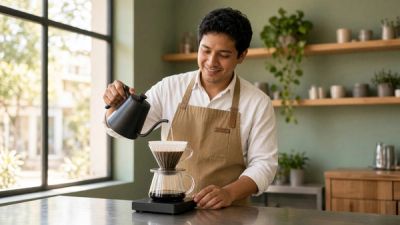
- Brew with precision – You’ll see scales, timers, and dialed-in equipment.
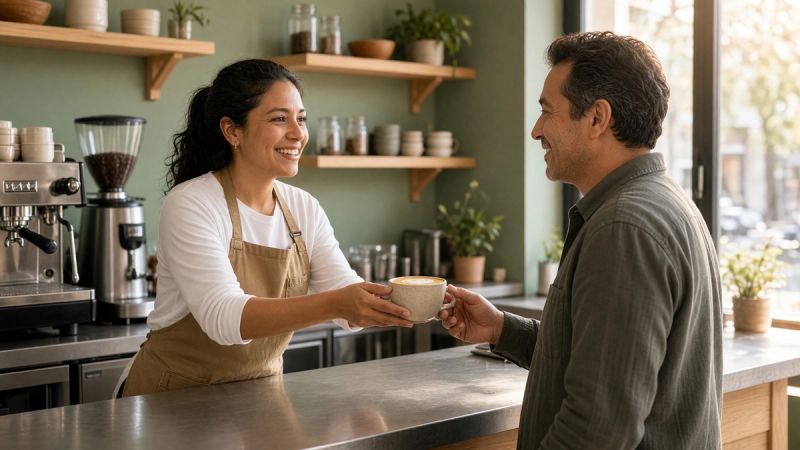
- Train their staff – Baristas can explain origins, brew methods, and flavor notes.
2. Visual Cues Behind the Bar
When you walk in, scan the bar area. Signs of quality include:
- Scales on the espresso machine
- Used to weigh doses and shots for consistent extraction.
- Multiple brew methods
- Options like pour-over (V60, Kalita, Chemex), AeroPress, and quality batch brew.
- Dedicated grinders
- Separate grinders for espresso and filter coffee.
- Cleanliness
- Wiped portafilters
- Purged steam wands
- Tidy counters and clean drip trays
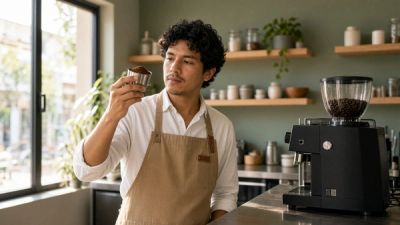
- Fresh beans
- Visible roast dates (not just “best by”)
- Beans rotated regularly, not sitting for months.
3. Reading the Menu Like an Insider
A specialty menu tells a story about the coffee.
Look for:
- Origin details
- Country, region, and ideally farm or cooperative.
- Processing method
- Washed, natural, honey, or experimental processes.
- Tasting notes
- Descriptors like citrus, chocolate, berry, stone fruit, floral.
- Roast date on retail bags
- Best window is usually 2–4 weeks after roasting.
Red flag: Only “house blend” or “dark roast” with no origin or process info.
4. Questions to Ask Your Barista
Engage with the staff—knowledgeable baristas usually love this.
Try asking:
- “What’s your favorite coffee on the menu right now, and why?”
- “Can you tell me more about this origin?”
- “What brew method would you recommend for this coffee?”
- “How light or dark is your roast profile?”
You’re listening for:
- Clear, confident answers
- Genuine enthusiasm
- Willingness to guide you based on your taste
5. Beyond the Coffee: The Experience
Top specialty cafés usually care about the whole environment:
- Thoughtful design
- Comfortable seating, good lighting, and a layout that feels intentional.
- Good water
- Filtered water for brewing and serving.
- Food that complements coffee
- Pastries and snacks that support, not overpower, the flavors.
- Community focus
- Public cuppings, classes, or events
- A sense that regulars and staff know each other
6. Red Flags to Watch For
These signs suggest the café may not be operating at specialty level:
- Pre-ground coffee sitting in hoppers for hours
- Flavored syrups dominate the menu and overshadow coffee itself
- Baristas can’t describe the origin or flavor profile of the coffee
- No roast date on bags, or dates older than about a month
- Burnt, bitter, or harsh espresso served without question or concern
One red flag alone isn’t always a deal-breaker, but several together usually are.
7. Build Your Personal Coffee Map
As you explore, keep simple notes (in a notebook, notes app, or map):
- Which coffees you liked (origin, roaster, tasting notes)
- Which brew methods impressed you
- The atmosphere (quiet, social, laptop-friendly, etc.)
- Whether you’d return or recommend it
Over time, you’ll build a trusted list of cafés in your city and in places you travel.
8. Support the Shops You Love
Once you find a great specialty café:
- Buy beans to brew at home
- Leave positive reviews online
- Bring friends and introduce them to better coffee
- Attend events (cuppings, classes, talks) and participate in the community
Your support helps independent cafés thrive and strengthens the specialty coffee scene as a whole.
Specialty scoring (80+/100) and evaluation practice come from SCA Coffee Standards and the World Coffee Research Sensory Lexicon - the shared vocabulary behind tasting notes on serious menus.
In Toluca, read our guide to cafés in the historic center and visit us at Pino Suárez. Beans and gear are in the shop; for business orders, see wholesale.