Exploring Japanese Coffee Culture
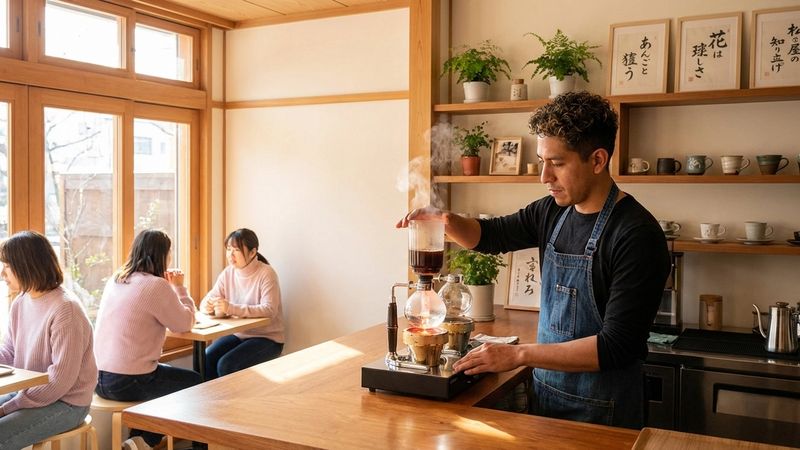
Japan’s coffee culture uniquely blends technical precision with a quiet, almost zen-like philosophy. Since the early 20th century, kissaten—traditional Japanese coffee shops—have served as calm refuges from the noise of urban life, emphasizing contemplation as much as consumption.
The Japanese Drip Method
A hallmark of this culture is the Japanese drip method, defined by deliberate slowness and meticulous attention to detail. Techniques such as nel drip, popularized by baristas like Rao Ueshima, use a flannel filter instead of paper. This method encourages careful control over water temperature, pour rate, and extraction time, producing a cup that is notably velvety, rich, and nuanced.
Canned Coffee
Another distinct expression of Japanese coffee culture is canned coffee, first invented in 1969. Sold widely in vending machines, it offers:
- Hot options in winter, providing warmth and comfort in cold weather.
- Cold options in summer, delivering a refreshing, ready-to-drink coffee.
This system makes coffee available anytime, anywhere, reflecting Japan’s focus on convenience without abandoning quality.
Innovation and Global Influence
Modern Japan continues to drive coffee innovation through:
- Flash brew: brewing hot coffee directly over ice to preserve aromatics while rapidly chilling the beverage.
- Precision roasters: equipment and techniques that allow fine control over roast profiles.
These innovations, combined with Japan’s long-standing kissaten traditions and exacting brew methods, have significantly shaped the third wave coffee movement worldwide, influencing how specialty coffee is brewed, served, and appreciated.
Japan's relationship with coffee is a fascinating blend of tradition, precision, and innovation. While tea remains deeply rooted in Japanese culture, coffee has developed its own distinct and respected identity.
The Japanese Drip Method
Japanese coffee culture is renowned for its slow, deliberate brewing techniques. In kissaten—traditional Japanese coffee houses—baristas often use cloth filters known as nel drip to produce an exceptionally smooth and clean cup. It’s common for a single pour-over to take 5–7 minutes, with each movement carefully controlled. This process is treated almost like a meditative ritual, where water flow, temperature, and timing are meticulously managed. The philosophy behind this method has had a significant impact on the global specialty coffee scene, inspiring baristas worldwide to prioritize precision and mindfulness in brewing.