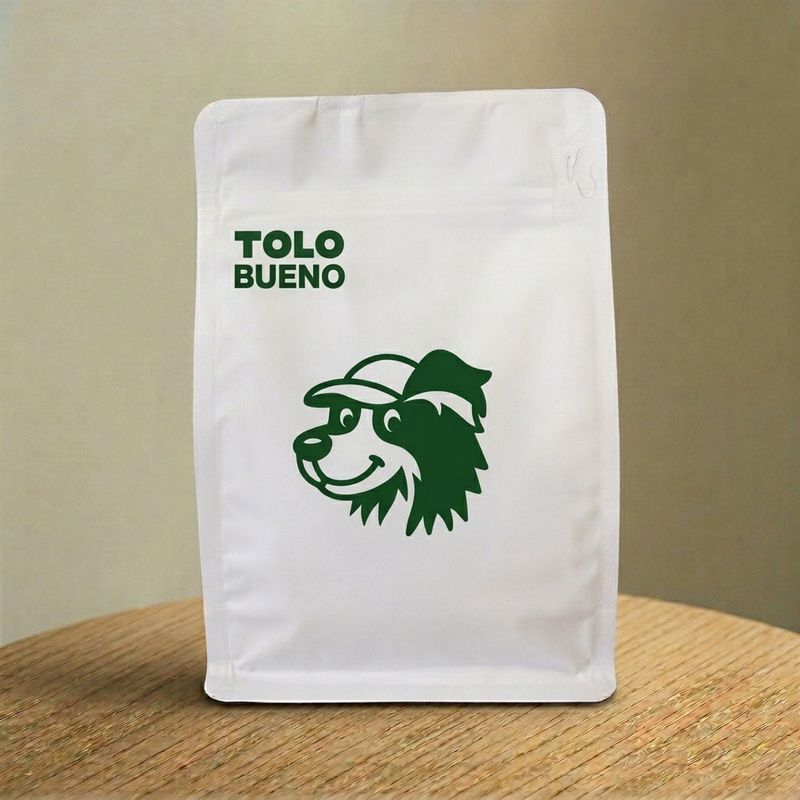
 Bestseller
Traditional - Whole Bean Coffee
Classic washed specialty coffee with a medium-dark roast. Clean, balanced, and full-bodied with warm notes of dark chocolate, brown sugar, and toasted nuts.
250 gr1 kg
From $250.00
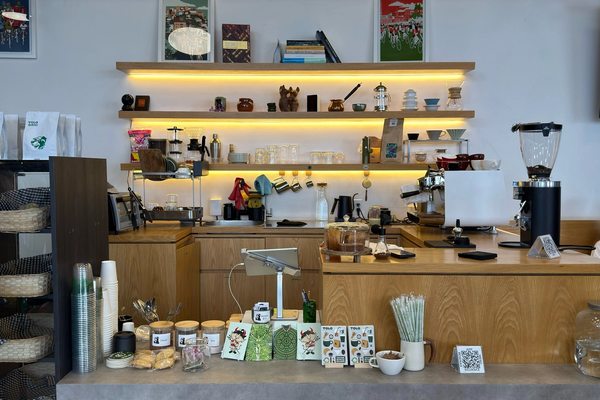
Coffee roasted weekly and made with care. Stop by for an espresso, stay to work for a bit, or just come to chat.
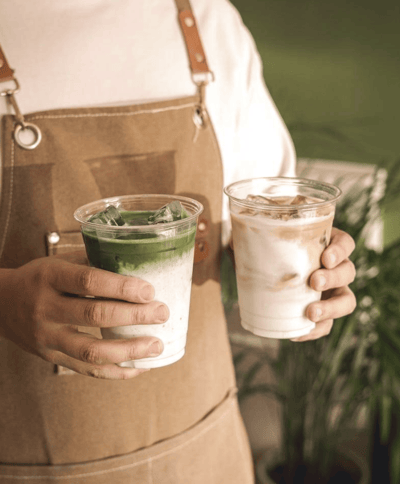
At TOLO we make good coffee — that is it. We roast every week, work directly with farms we know in Mexico, and rotate origins like Colombia, Ethiopia and Panama. Espresso, pour overs, matcha, cold brew, chai and sweet bread — grab a bag of beans on your way out.
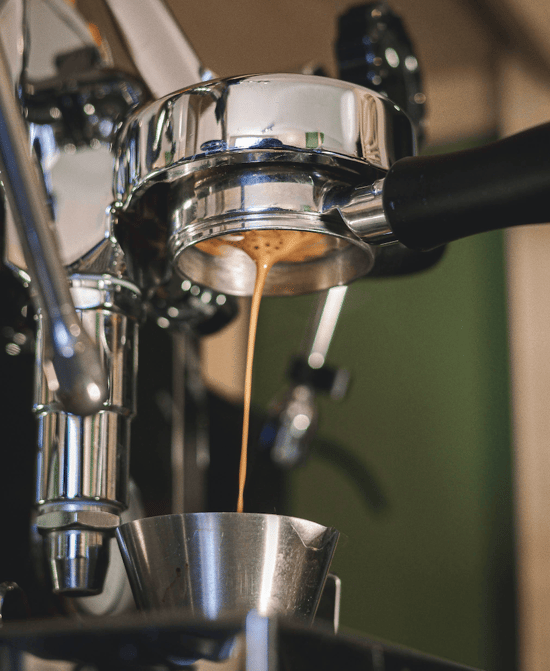
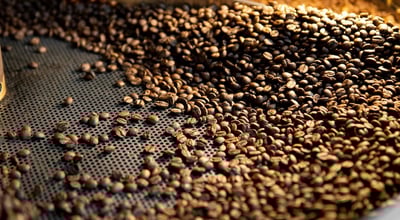
We roast in small batches every week. Your coffee is never more than a few days old.
Our team is SCA certified and always ready to help you find your coffee.
4.9★ with 300+ reviews — thank you! A place to hang out, work, or just enjoy your morning coffee.
Brewing gear, merch and more — everything you need to make great coffee at home.
BestsellerClassic washed specialty coffee with a medium-dark roast. Clean, balanced, and full-bodied with warm notes of dark chocolate, brown sugar, and toasted nuts.
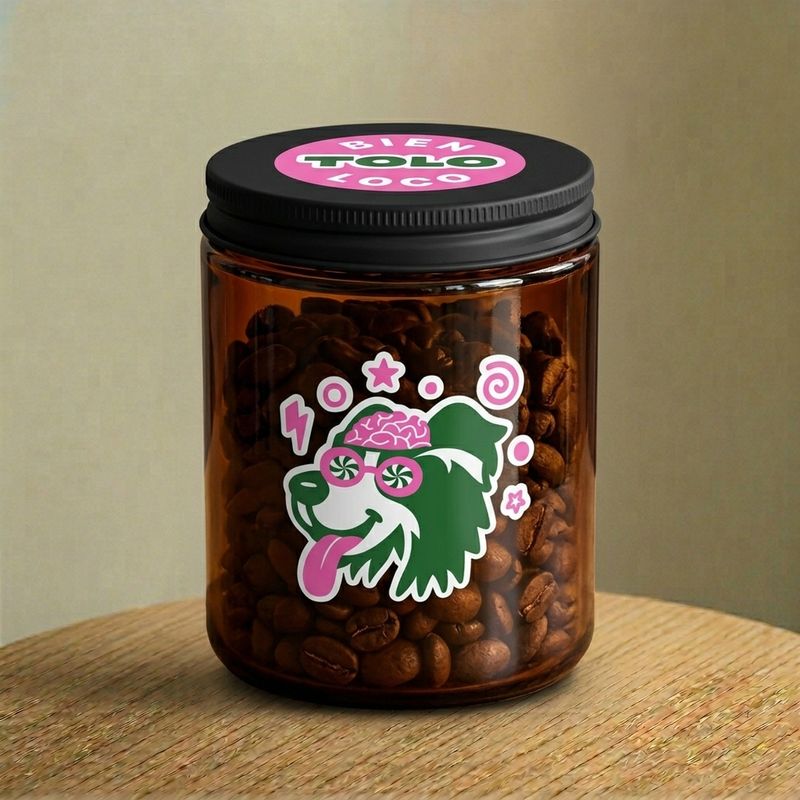
Boundary-pushing specialty coffee with innovative processing methods and a medium-light roast. Bold and complex with intense tropical fruit, floral, and unexpected flavor layers.
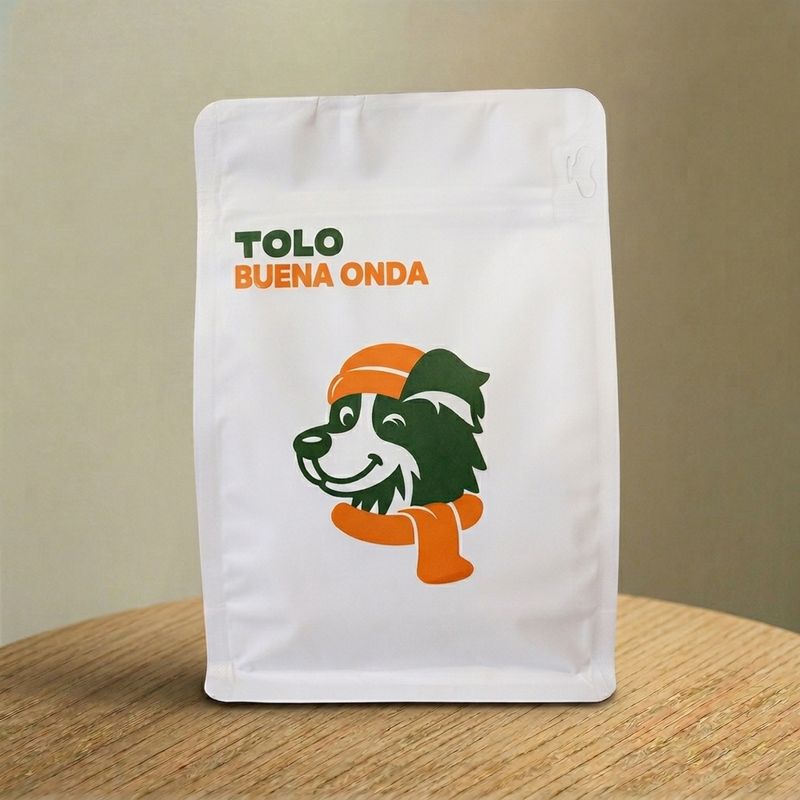
Contemporary specialty coffee featuring honey and natural processes with a medium-light roast. Bright and sweet with vibrant citrus, stone fruit, and floral notes.
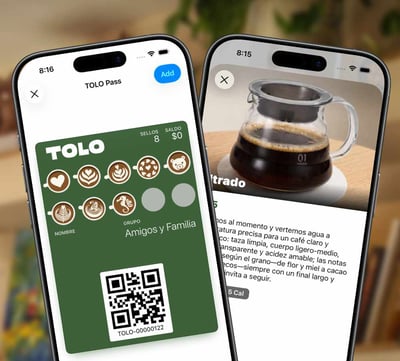
Skip the line — order ahead and pick up when you arrive. Save your favorites, reorder in one tap and get exclusive offers. Free on iOS and Android.


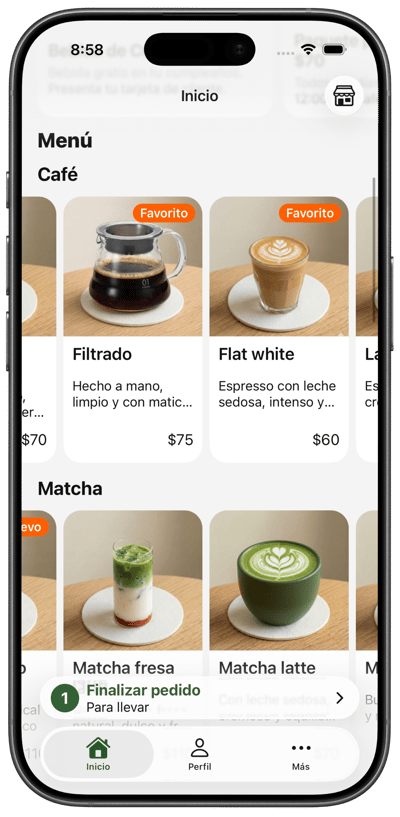
Fast Wi-Fi, pet-friendly and good vibes. Drop by any of our locations.
Stories about coffee, origins and what we have been up to lately.
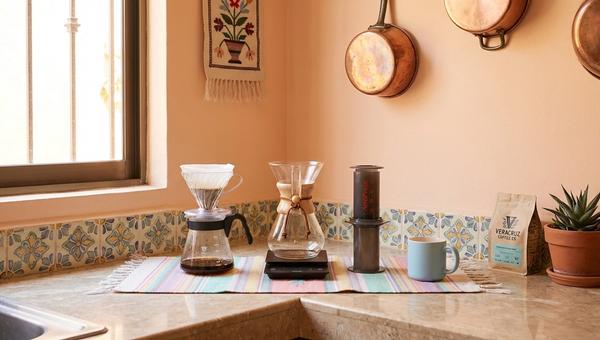
Detailed comparison of coffee brewing methods including V60, Chemex, AeroPress, and espresso, with grind, temperature, and time parameters to optimize extraction and flavor at high altitudes.
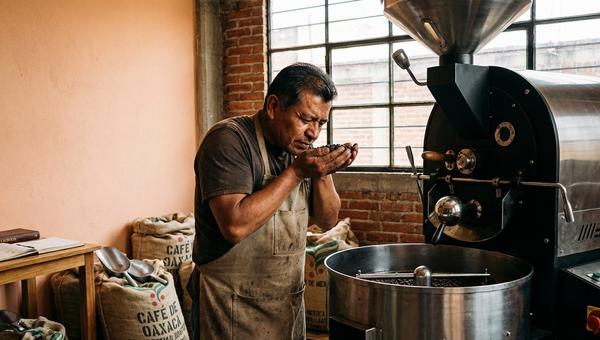
Heating beans triggers Maillard reactions, caramelisation and pyrolysis. Maillard reactions start around 140 °C and produce aromatic compounds and colour; caramelisation intensifies at 160 °C. The first crack occurs between 190 °C and 196 °C when internal pressure causes expansion and release of steam. Second crack arises between 224 °C and 229 °C, indicating a dark roast where sugars degrade and bitter flavours increase. Roast profile control involves managing rate of rise and total time. For light filter roasts, a typical profile lasts 9–11 minutes with final temperature 202 °C. Medium roasts extend to 12–14 minutes with final temperatures 210–218 °C. Maintaining a 10 °C per minute rise in the first half develops balanced complexity, while reducing the rate in the development phase (after first crack) highlights acidity and sweetness. Weight loss and colour correlate: beans lose 12–20 % of mass due to moisture evaporation and CO₂ release. An Agtron colour of 65‑75 (light) associates with fruity and floral flavours, while 35‑45 (dark) corresponds to bitter chocolate and nutty profiles. For home roasting, drum and fluid-bed roasters are available. Drum roasters provide precise control of airflow and heat transfer, ideal for 250 g to 1 kg batches. A typical session in a 500 g drum roaster charges at 160 °C and increases to 200 °C in the first 6 minutes. Fluid bed roasters use hot air to suspend beans, suitable for small batches (50‑150 g) and allow quicker profiles around 6–8 minutes. It's crucial to use a thermocouple to measure bean temperature and record the profile. Control software such as Artisan or Cropster enables plotting the temperature curve and annotating events like first crack and start of development. Roast level affects solubility and grind particle size. Light roasts require finer grinds and longer extraction times to achieve 20 % extraction yield; dark roasts, being more soluble, need coarser grinds and reduced extraction times to avoid bitterness. Understanding the science and technique of roasting not only improves your ability to select beans in a coffee shop, but also opens the door to experimenting with profiles at home. With practice and attention to variables like temperature, time and development, you can highlight the intrinsic notes of each origin.
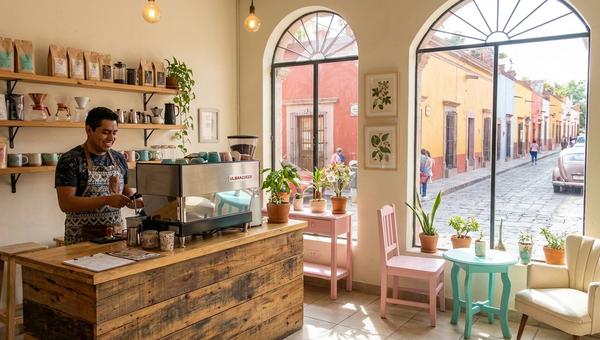
Choosing a specialty coffee shop goes beyond proximity or décor. This practical guide shows you how to evaluate bean quality, barista technique, and the signals that set an exceptional café apart.