Guide to Specialty Coffee Shops: How to Find the Perfect Café
Summary: How to Spot a Great Specialty Coffee Shop
Finding a true specialty coffee shop means looking beyond latte art and cozy décor. Use this checklist to quickly evaluate any café you visit.
1. Understand What “Specialty” Means
Specialty coffee = beans that score 80+ points on the Specialty Coffee Association’s 100-point scale. But a specialty shop is defined by its whole approach, not just the beans.
A real specialty café will:
- Source transparently – They can tell you:
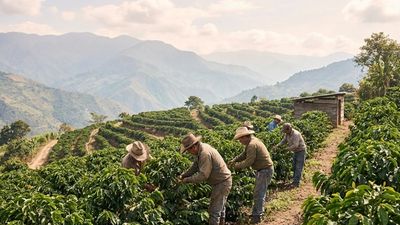
- Country and region
- Farm or cooperative
- Processing method (washed, natural, honey, etc.)
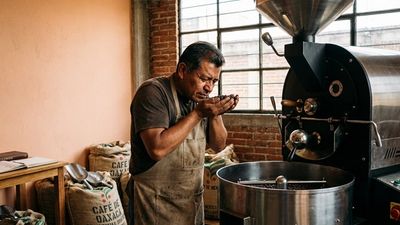
- Roast thoughtfully – Either roast in-house or partner with a quality-focused roaster.
- Brew with precision – You’ll see scales, timers, and dialed-in equipment.
- Train their staff – Baristas can explain origins, brew methods, and flavor notes.
2. Visual Cues Behind the Bar
When you walk in, scan the bar area. Signs of quality include:
- Scales on the espresso machine
- Used to weigh doses and shots for consistent extraction.
- Multiple brew methods
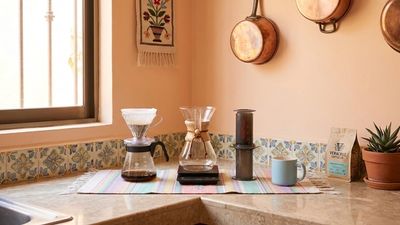
- Options like pour-over (V60, Kalita, Chemex), AeroPress, and quality batch brew.
- Dedicated grinders
- Separate grinders for espresso and filter coffee.
- Cleanliness
- Wiped portafilters
- Purged steam wands
- Tidy counters and clean drip trays
- Fresh beans
- Visible roast dates (not just “best by”)
- Beans rotated regularly, not sitting for months.
3. Reading the Menu Like an Insider
A specialty menu tells a story about the coffee.
Look for:
- Origin details
- Country, region, and ideally farm or cooperative.
- Processing method
- Washed, natural, honey, or experimental processes.
- Tasting notes
- Descriptors like citrus, chocolate, berry, stone fruit, floral.
- Roast date on retail bags
- Best window is usually 2–4 weeks after roasting.
Red flag: Only “house blend” or “dark roast” with no origin or process info.
4. Questions to Ask Your Barista
Engage with the staff—knowledgeable baristas usually love this.
Try asking:
- “What’s your favorite coffee on the menu right now, and why?”
- “Can you tell me more about this origin?”
- “What brew method would you recommend for this coffee?”
- “How light or dark is your roast profile?”
You’re listening for:
- Clear, confident answers
- Genuine enthusiasm
- Willingness to guide you based on your taste
5. Beyond the Coffee: The Experience
Top specialty cafés usually care about the whole environment:
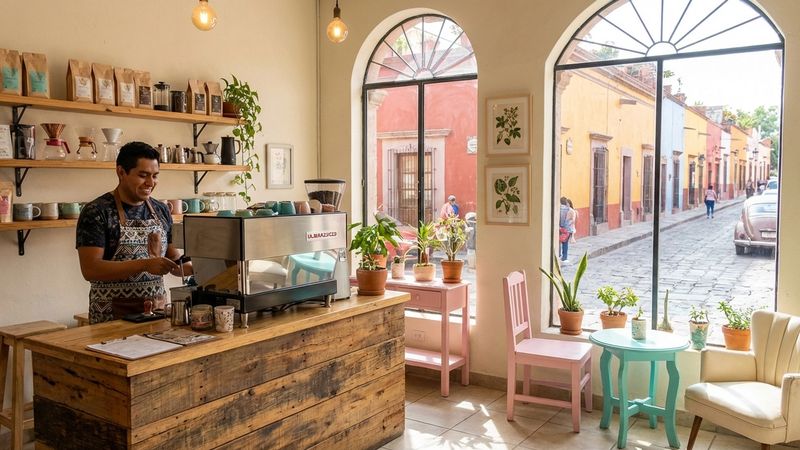
- Thoughtful design
- Comfortable seating, good lighting, and a layout that feels intentional.
- Good water
- Filtered water for brewing and serving.
- Food that complements coffee
- Pastries and snacks that support, not overpower, the flavors.
- Community focus
- Public cuppings, classes, or events
- A sense that regulars and staff know each other
6. Red Flags to Watch For
These signs suggest the café may not be operating at specialty level:
- Pre-ground coffee sitting in hoppers for hours
- Flavored syrups dominate the menu and overshadow coffee itself
- Baristas can’t describe the origin or flavor profile of the coffee
- No roast date on bags, or dates older than about a month
- Burnt, bitter, or harsh espresso served without question or concern
One red flag alone isn’t always a deal-breaker, but several together usually are.
7. Build Your Personal Coffee Map
As you explore, keep simple notes (in a notebook, notes app, or map):
- Which coffees you liked (origin, roaster, tasting notes)
- Which brew methods impressed you
- The atmosphere (quiet, social, laptop-friendly, etc.)
- Whether you’d return or recommend it
Over time, you’ll build a trusted list of cafés in your city and in places you travel.
8. Support the Shops You Love
Once you find a great specialty café:
- Buy beans to brew at home
- Leave positive reviews online
- Bring friends and introduce them to better coffee
- Attend events (cuppings, classes, talks) and participate in the community
Your support helps independent cafés thrive and strengthens the specialty coffee scene as a whole.