The Rise of Specialty Decaf
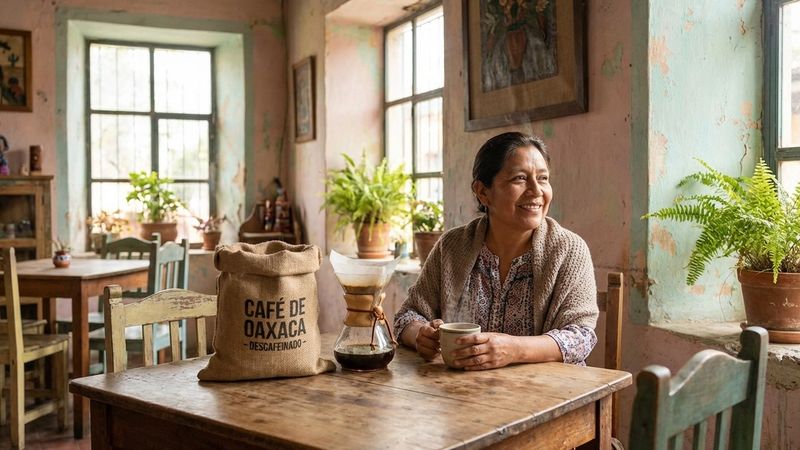
Decaf coffee has undergone a quiet revolution. Once dismissed as a flat, burnt-tasting compromise, it’s now crafted with the same care, precision, and respect as top-tier specialty coffees.
Why Decaf Used to Taste So Bad
For decades, decaf’s poor reputation was largely deserved. Traditional solvent-based decaffeination relied on harsh chemicals that didn’t just remove caffeine—they also stripped away delicate flavor compounds. To cover up the resulting defects, roasters often over-roasted the beans, creating the familiar profile of burnt, hollow, and lifeless decaf.
On top of that, decaf was rarely a priority. The best green coffees were reserved for regular offerings, while decaf typically received lower-quality lots and less thoughtful roasting. This neglect created a cycle: people expected decaf to be bad, so producers and roasters didn’t invest in making it good.
The Swiss Water Process: A Turning Point
The Swiss Water Process, developed in the 1980s and continually refined, transformed what decaf could be. It uses only water and activated charcoal—no chemical solvents.
How it works:
- Green coffee beans are soaked in hot water, dissolving caffeine and flavor compounds.
- That water passes through activated charcoal filters that trap caffeine molecules while allowing smaller flavor compounds to pass.
- This now flavor-saturated water is used to soak a fresh batch of beans.
- Because the water is already full of flavor compounds, only caffeine migrates out of the new beans.
The result is coffee that retains 97–99.9% of its original flavor while removing nearly all caffeine. Swiss Water decafs can be vibrant, complex, and true to their origin—far from the decaf stereotype.
Other Modern Decaf Methods
Several newer or refined processes now produce excellent decaf as well:
Mountain Water Process
Similar in principle to Swiss Water, the Mountain Water Process uses pure mountain water—often from Mexico—and is carried out at the Descamex facility. Many specialty roasters rely on this method for clean, sweet, and nuanced decaf.
Sugarcane (EA) Process
The Sugarcane Process, also known as the EA (ethyl acetate) process, uses ethyl acetate derived from fermented sugarcane. When done well, it:
- Preserves brightness
- Can enhance fruity and sweet notes
It’s especially popular for Colombian decaf, where sugarcane is abundant and processing can happen close to origin.
CO₂ Process
The CO₂ Process uses supercritical carbon dioxide—a state where CO₂ behaves like both a liquid and a gas—to selectively dissolve caffeine. It’s highly targeted, efficient, and preserves flavor extremely well, though it’s expensive and often used for premium commercial or large-scale applications.
How Specialty Roasters Are Elevating Decaf
A growing number of specialty roasters now treat decaf as a first-class citizen in their lineup. They’re:
- Sourcing high-quality green coffee specifically for decaffeination
- Processing at origin when possible to maintain freshness and traceability
- Designing roast profiles tailored to decaf’s unique chemistry
- Offering single-origin decafs, not just generic blends
- Sharing transparent details about farms, processing, and tasting notes
This shift recognizes a simple truth: decaf drinkers deserve great coffee, not an afterthought.
Flavor Expectations: How Modern Decaf Tastes
Well-processed, well-roasted decaf can be surprisingly expressive. While brightness may be slightly muted compared to its caffeinated counterpart, the core flavor profile can remain intact.
Light Roast Decaf
Expect:
- Bright, fruity acidity
- Floral aromatics
- A tea-like body
- A clean, sweet finish
These coffees can resemble delicate filter brews or high-grown washed coffees.
Medium Roast Decaf
Typically shows:
- Caramel and brown sugar sweetness
- Nutty undertones
- Balanced body
- Gentle fruit or citrus notes
This is a versatile style that works well for both filter and espresso.
Darker Roast Decaf
Often emphasizes:
- Chocolate and cocoa
- Toasted nuts
- A fuller, rounder body
- A smooth, low-acid finish
Ideal for those who enjoy classic, comforting flavor profiles.
Brewing Decaf for Best Results
Decaf benefits from the same care you’d give any specialty coffee:
- Grind fresh: Treat it like any quality coffee; fresh grinding dramatically improves flavor.
- Use proper ratios: Start with your usual recipe (e.g., 1:15–1:17 coffee-to-water by weight) and adjust to taste.
- Mind the temperature: Slightly lower brew temps—around 200°F / 93°C—often work well.
- Avoid over-extraction: Decaf can turn bitter more quickly, so pay attention to brew time and grind size.
- Store correctly: Keep beans in an airtight container, away from light, heat, and moisture.
When Decaf Shines
Modern decaf opens up more moments for coffee enjoyment without the caffeine hit:
- Evenings, when you want the ritual but still want to sleep
- Pregnancy and nursing, when caffeine intake may be limited
- Caffeine sensitivity or anxiety, where stimulants can be problematic
- Medical conditions that require reduced or no caffeine
- Times when you simply want more coffee without extra jitters
Many enthusiasts now keep a high-quality decaf on hand specifically for afternoon or evening cups.
The Future of Decaf
Innovation is still accelerating:
- New decaffeination techniques aim to preserve even more aromatic compounds.
- Naturally low-caffeine varieties like Laurina (Bourbon Pointu) offer alternatives that need less or no processing.
- Genetic research may eventually yield arabica varieties with inherently low caffeine and excellent cup quality.
- Growing consumer demand is pushing producers, mills, and roasters to invest in better decaf options.
As more people taste what modern decaf can be, its reputation continues to improve.
How to Find Great Decaf
When shopping, look for:
- A named processing method: Swiss Water, Mountain Water, Sugarcane/EA, or CO₂
- Single-origin decaf offerings: a sign the roaster takes decaf seriously
- A recent roast date: freshness matters just as much as with regular coffee
- Specific tasting notes: suggests careful cupping and quality focus
- Transparent sourcing: details about farms, regions, or cooperatives
The rise of specialty decaf reflects a broader shift in coffee culture toward quality, transparency, and inclusivity. Whether you’re avoiding caffeine or just want more cups in your day, you no longer have to compromise on flavor. Modern decaf can be every bit as satisfying, complex, and delicious as its fully caffeinated peers.